What the labels usually mean
Ceremonial grade should mean first-harvest, shade-grown leaf, de-stemmed and de-veined, stone-milled, and good enough to drink with nothing but water. Premium or daily grade typically means first or early second harvest — still pleasant plain, more forgiving in milk. Culinary grade means later harvest leaf chosen to survive sugar, dairy and heat: bolder, more astringent, deliberately assertive in a cake or a cold brew.
None of these is a fraud. Using ceremonial matcha in a brownie is the waste; using culinary matcha in a bowl of koicha is the mistake.
Five checks you can do yourself
- ·
Colour
Vivid, almost fluorescent jade. Olive, khaki or yellow-brown means late harvest, stem content, oxidation, or age.
- ·
Aroma
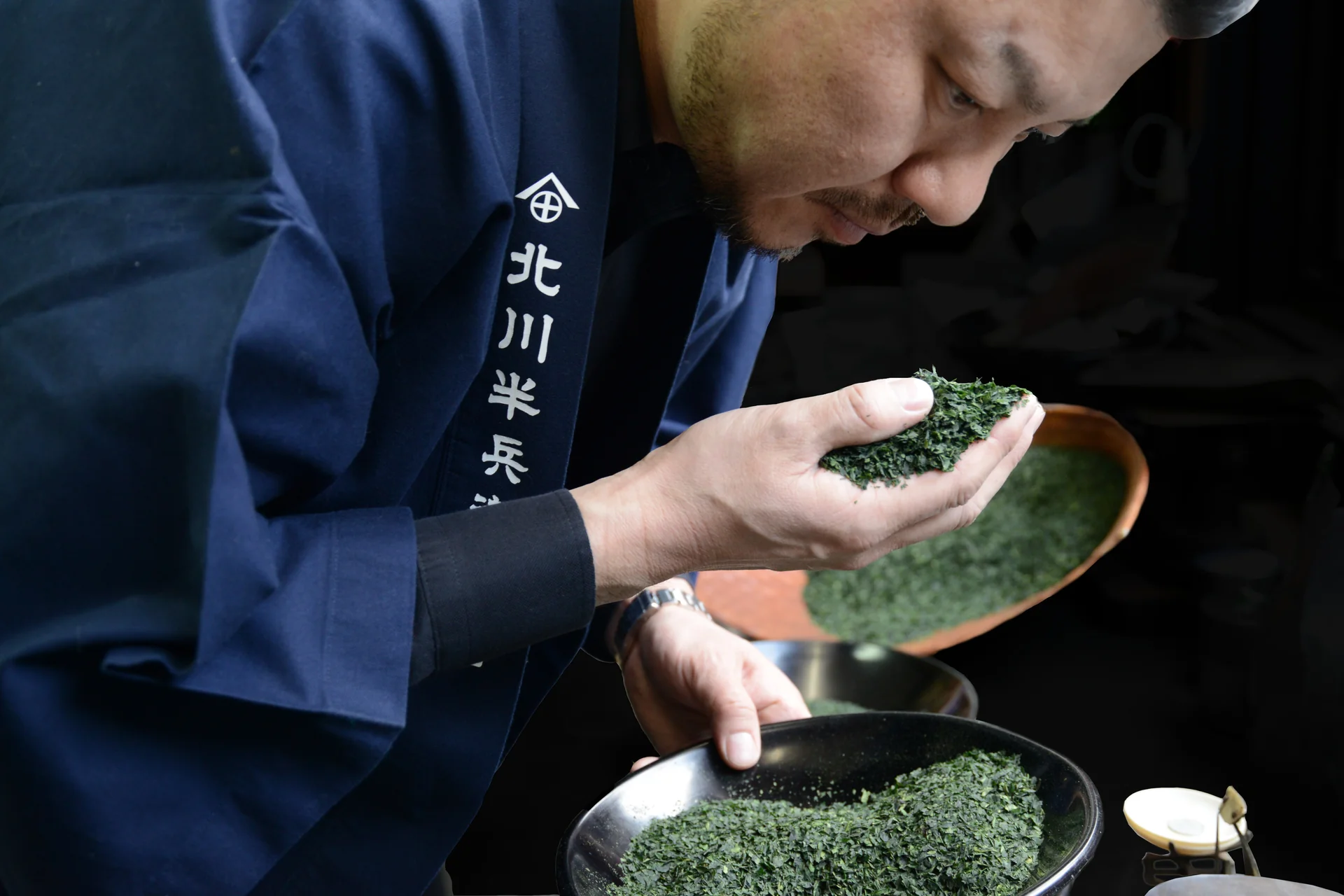
Open the tin and inhale. Good matcha smells sweet and marine — fresh-cut grass, nori, cream. Hay or dust is a bad sign.
- ·
Texture
Rub a pinch between your fingers. It should feel like talc and cling to the skin. Grit means coarse milling.
- ·
Foam
Whisked properly, fine powder builds a dense, fine-bubbled crema that holds for a minute or more. Big bubbles that collapse suggest coarse or stale powder.
- ·
Finish
Sip plain. Sweetness and umami should arrive first and linger; bitterness, if present, should be a quiet edge rather than the headline.
Read the tin, not the adjectives
Four facts tell you more than any grade word: the region, the harvest (first flush or not), the milling method, and the date it was milled or packed. A house that knows its farm will happily print all four. A house that will not tends to be blending anonymous leaf.
Price, honestly
Stone milling is slow and first-flush leaf is scarce, so genuinely ceremonial matcha lands somewhere around a dollar or more per gram at retail. Well below that, something has been substituted — later harvest, machine grinding, stems left in, or leaf from outside the named region. Well above it, you may simply be paying for a box.